
Last Updated: July 2026
Sources: 20+ cybersecurity industry reports, threat intelligence datasets, government publications, and academic research.
Data breaches remain one of the most costly and disruptive cybersecurity incidents affecting organizations worldwide. As businesses continue expanding digital infrastructure, storing vast volumes of sensitive data, and adopting cloud platforms, the risk of unauthorized data exposure has grown significantly.
This page compiles verified data breach statistics for 2025–2026, including breach frequency, financial impact, common causes, and industry trends.
Researchers, journalists, and cybersecurity professionals frequently reference data breach statistics to understand the evolving threat landscape and the financial risks associated with cyber incidents.
Topics covered in this report include:
- global data breach statistics
- breach frequency and trends
- data breach costs
- breach causes and attack vectors
- industries most affected by breaches
- regional breach statistics
- future breach projections
Top 20 Data Breach Statistics (Quick Facts)
These are the most widely cited data breach statistics for 2025–2026.
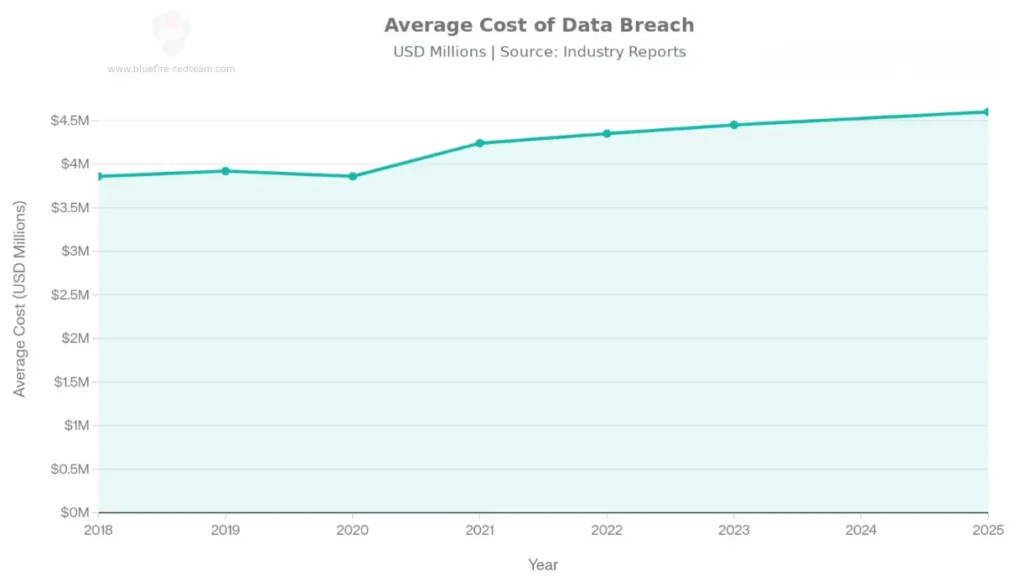
- The average cost of a data breach reached $4.45 million globally.
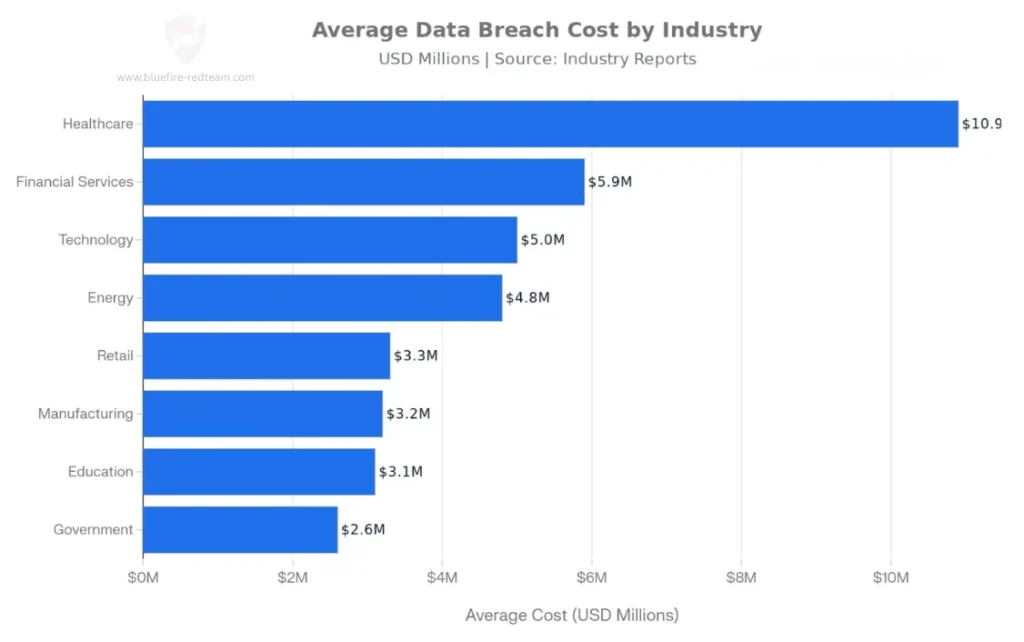
- Healthcare breaches cost an average of $10.9 million per incident.
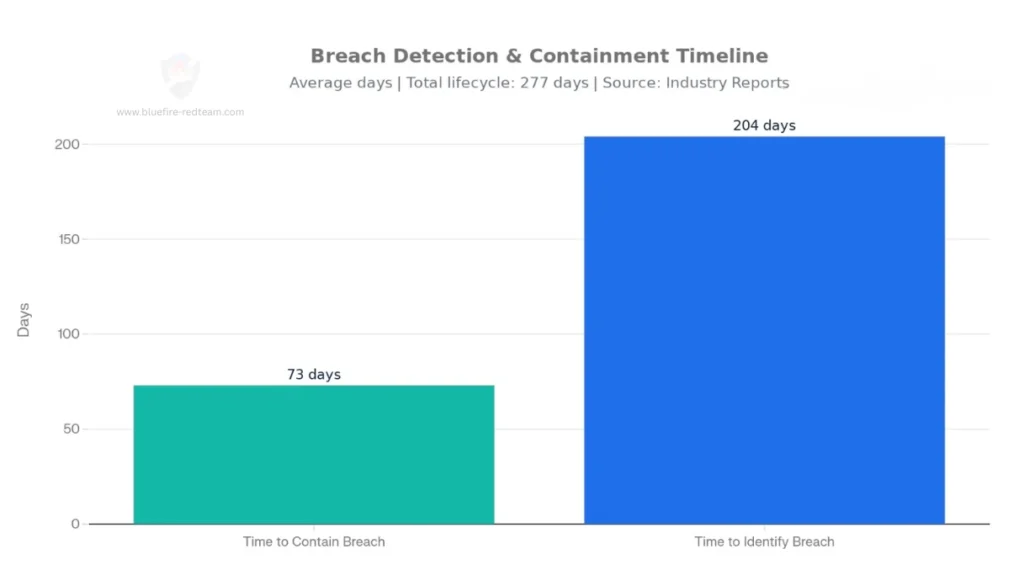
- Organizations take an average of 277 days to identify and contain breaches.
- Over 3,200 breaches were publicly reported worldwide in 2024.
- More than 353 million individuals were affected by breaches in 2023.
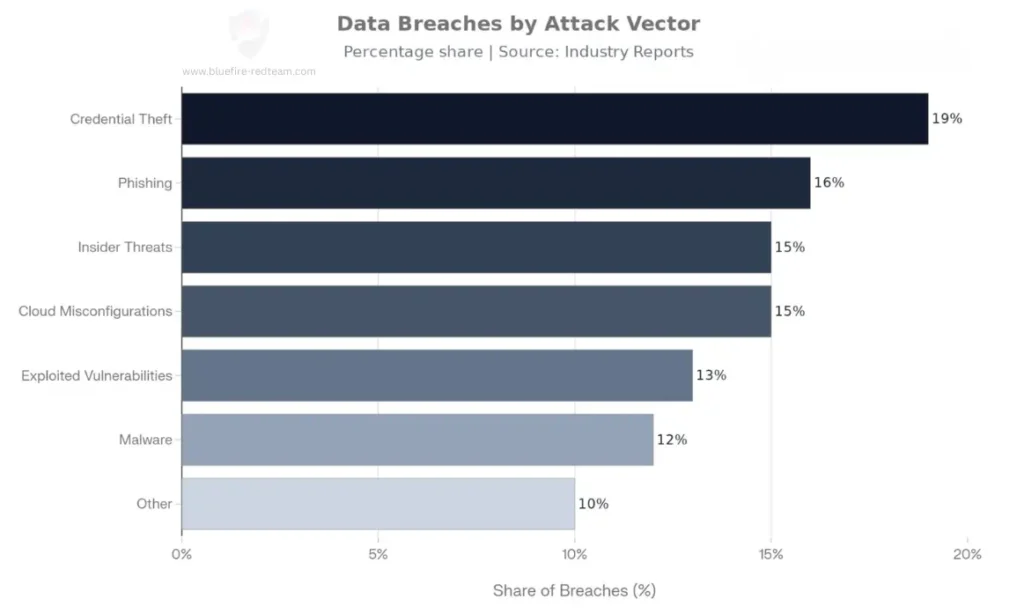
- Credential theft is involved in 19% of breaches.
- Phishing attacks cause 16% of breaches globally.
- Ransomware is involved in approximately 24% of breach incidents.
- Cloud misconfigurations remain a leading cause of accidental data exposure.
- Insider threats account for roughly 15% of breaches.
- Supply chain attacks increased more than 40% in recent years.
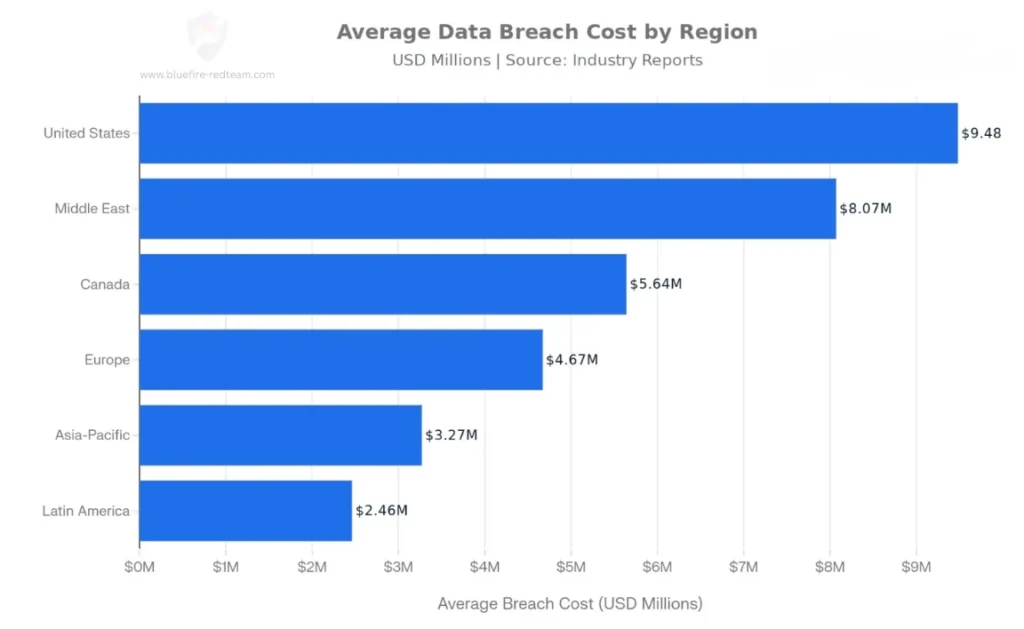
- The United States experiences the highest average breach costs globally.
- Breaches cost an average of $164 per compromised record.
- Remote work environments increased breach risks for organizations.
- Financial services companies face some of the highest breach frequencies.
- Healthcare breaches expose millions of patient records annually.
- Cybercrime damages are expected to exceed $10.5 trillion annually.
- Breach incidents continue to increase year over year.
- Organizations with strong incident response programs reduce breach costs.
- Security awareness training significantly reduces phishing-related breaches.
Global Data Breach Statistics
Data Breaches by Year
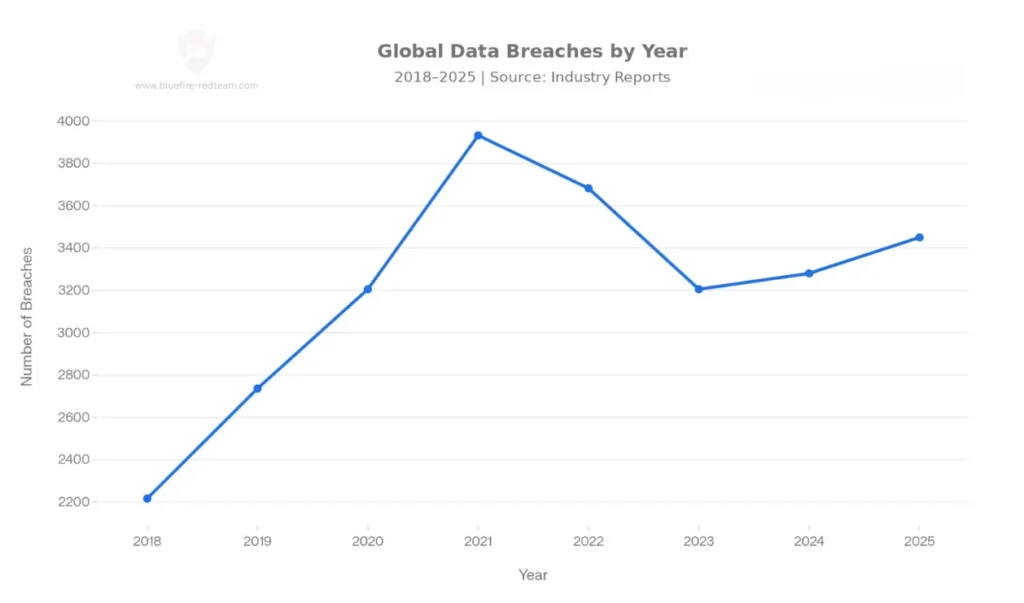
Data breaches have increased steadily over the past decade as digital infrastructure expands and cybercriminal groups develop more sophisticated attack methods.
Global Data Breach Incidents
Key Insights
- Thousands of breaches occur every year globally.
- Many large enterprises experience multiple breach attempts annually.
- Attackers increasingly combine data theft, ransomware, and extortion tactics.
Average Cost of a Data Breach
The financial cost of data breaches continues to rise as regulatory penalties, incident response costs, and operational disruption increase.
Average Data Breach Cost
Data Breaches by Attack Vector
Major Cost Drivers
- Incident response investigations
- Regulatory penalties and fines
- Customer notification costs
- Legal expenses and lawsuits
- Business disruption and lost revenue
Data Breach Costs by Industry
Different industries face varying levels of breach risk depending on the sensitivity of data and regulatory requirements.
Average Breach Cost by Industry
Why Certain Industries Face Higher Costs
Healthcare organizations face high breach costs due to:
- Sensitive patient records
- Strict privacy regulations
- Operational disruption risks
Financial services organizations experience frequent breach attempts due to the high value of financial data.
Data Breach Causes
Understanding the root causes of data breaches helps organizations improve prevention strategies.
Primary Causes of Data Breaches
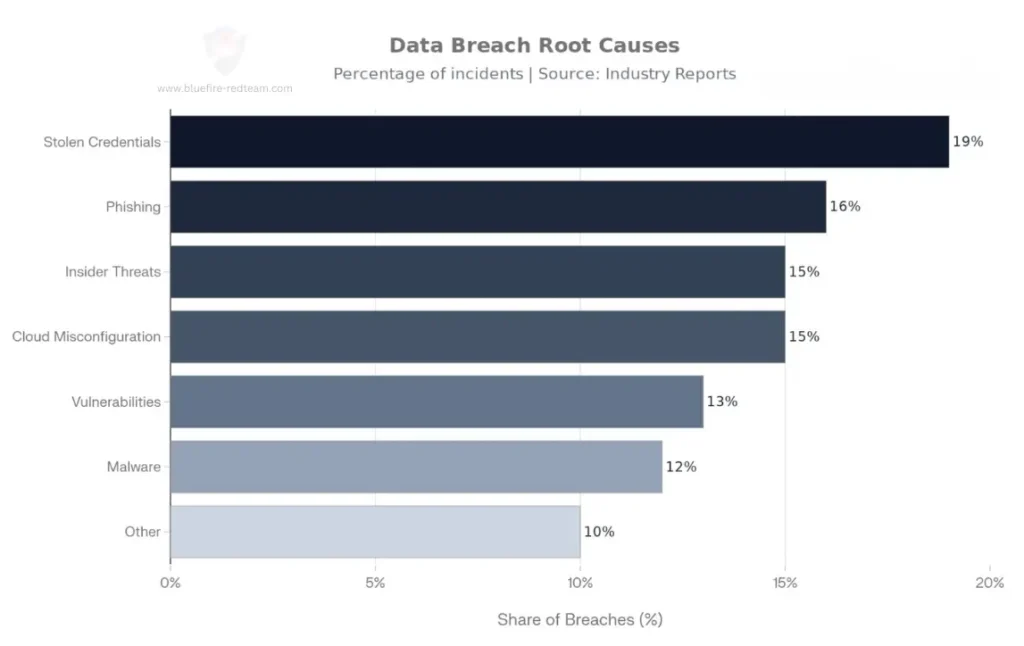
Credential theft and phishing remain the most common initial access vectors.
Data Breach Costs per Record
Data breach costs are often calculated based on the number of compromised records.
Average Cost per Compromised Record
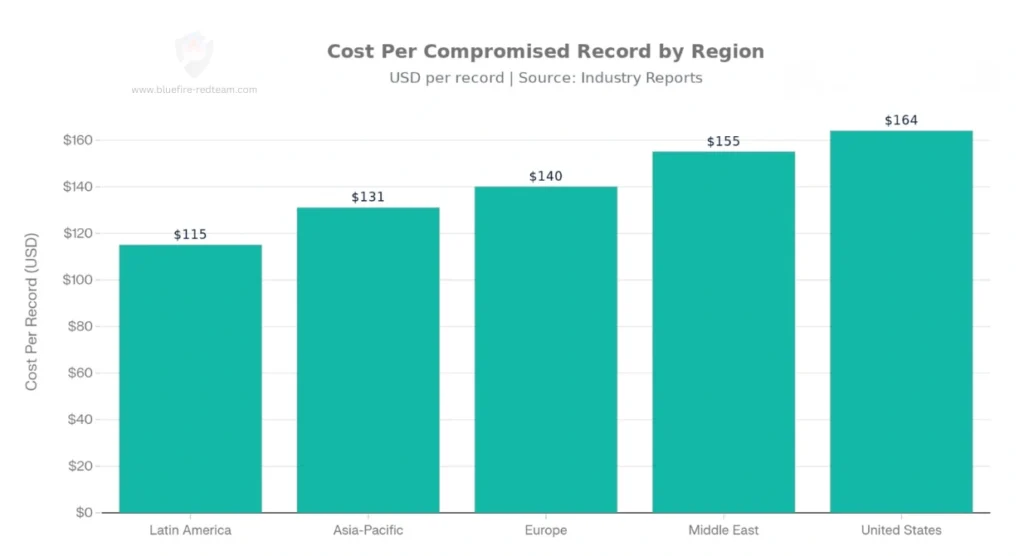
Organizations that encrypt sensitive data often reduce the cost per compromised record significantly.
Data Breach Impact by Region
Breach costs vary by region due to economic conditions and regulatory frameworks.
Average Breach Cost by Region
Time to Detect and Contain Data Breaches
Detection time significantly affects the financial impact of data breaches.
Breach Lifecycle Metrics
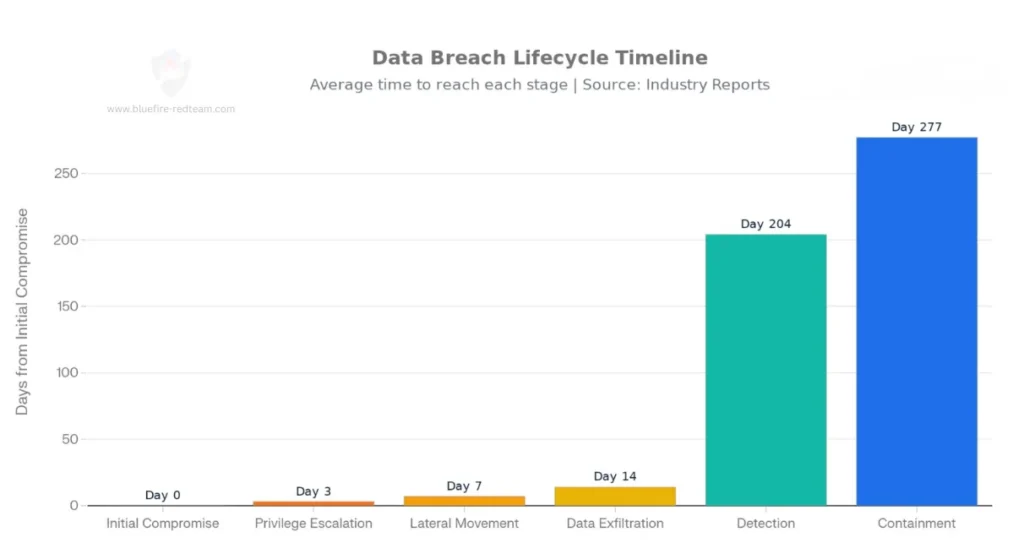
Organizations that detect breaches quickly often reduce financial losses by millions of dollars.
Breach Detection & Containment Timeline
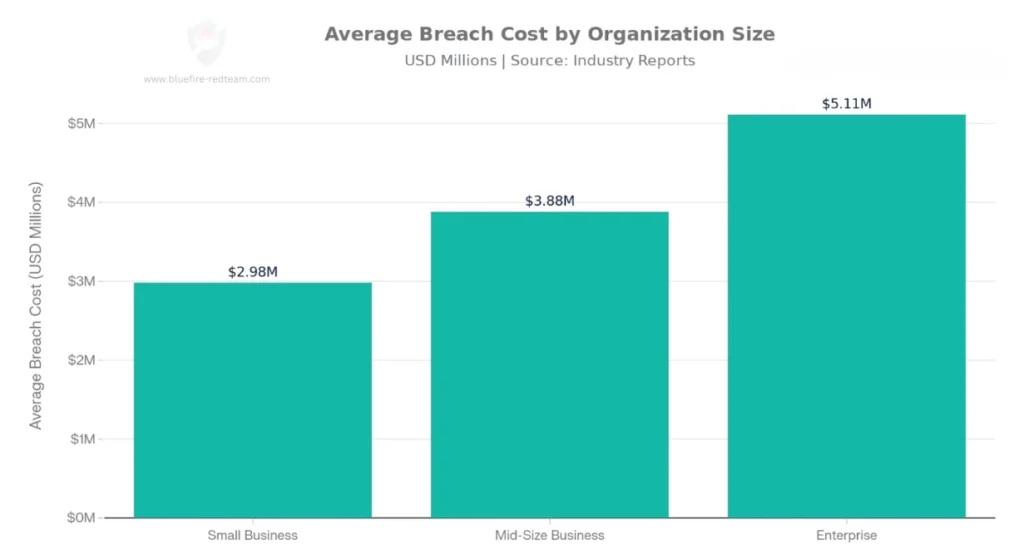
Data Breach Costs by Organization Size
Larger organizations typically face higher breach costs due to operational complexity and regulatory exposure.
Breach Cost by Organization Size
Largest Data Breaches in History
Some of the largest data breaches in history exposed hundreds of millions or even billions of records.
Major Historical Breaches
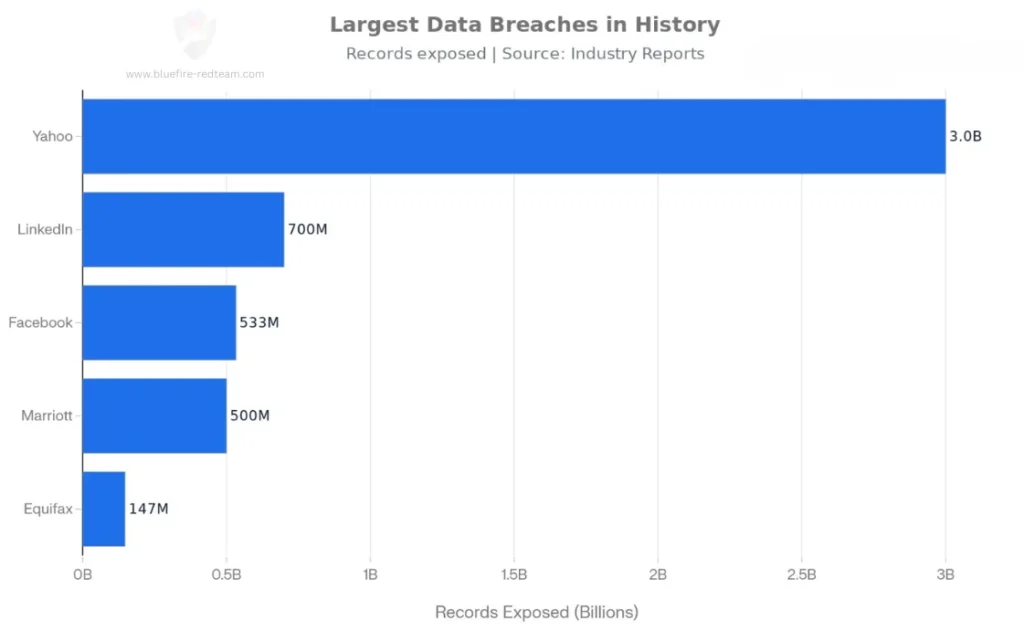
These incidents highlight how large-scale breaches can impact hundreds of millions of individuals globally.
Future Data Breach Trends
Data breach incidents are expected to increase as cybercriminal groups adopt more sophisticated attack methods.
Projected Data Breach Incidents
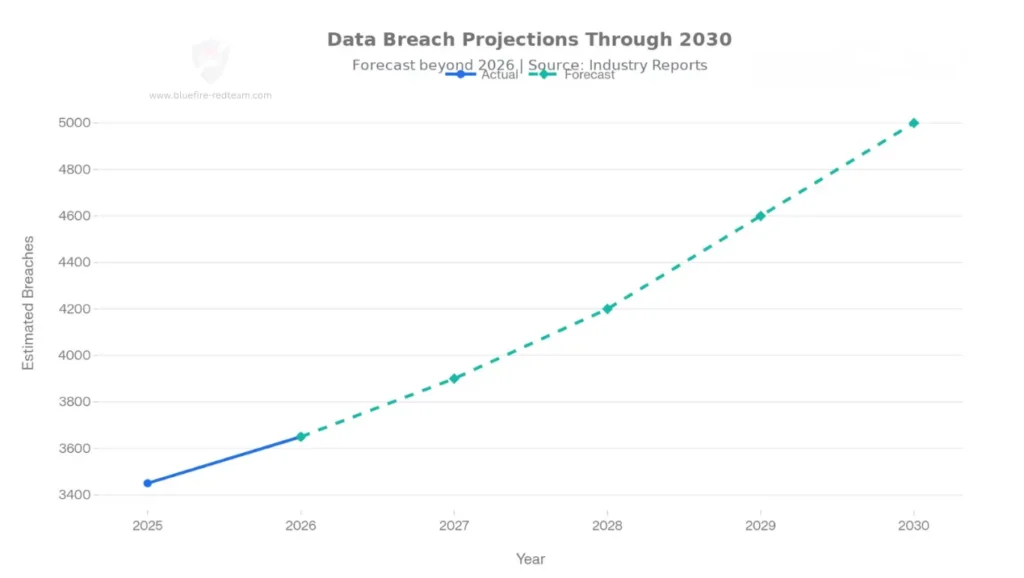
Key factors driving breach growth include:
- Increased digital infrastructure
- Expanding cloud adoption
- Identity-based attacks
- Ransomware-related data exfiltration
Bluefire Redteam Expert Insights
Data breaches rarely occur due to a single vulnerability. Instead, they often result from multiple failures in identity security, system configuration, and detection capabilities.
Several patterns consistently emerge during incident response investigations.
Credential Attacks Are Increasing
Many breaches begin with stolen credentials or phishing attacks targeting employees.
Detection Delays Increase Costs
Organizations that detect breaches quickly significantly reduce financial losses.
Security Preparedness Reduces Impact
Organizations that regularly test incident response processes and crisis communication procedures are typically able to reduce operational disruption during breaches.
Sources and Methodology
Statistics were compiled from leading cybersecurity research sources including:
- IBM Cost of a Data Breach Report
- Verizon Data Breach Investigations Report
- Identity Theft Resource Center reports
- CrowdStrike Global Threat Report
- Mandiant M-Trends
- Cybersecurity Ventures research
- FBI Internet Crime Complaint Center (IC3)
Combining multiple research sources ensures these statistics reflect accurate global cybersecurity trends.
Cite This Research
If you reference these statistics in research or articles, please credit Bluefire Redteam and link back to this page.
Proper citation helps improve accuracy in cybersecurity reporting.
FAQ - Data Breach Statistics
- What is the average cost of a data breach?The global average cost of a data breach is approximately $4.45 million per incident.
- Which industry experiences the most expensive data breaches?Healthcare organizations experience the highest breach costs, averaging over $10 million per incident.
- What is the most common cause of data breaches?Stolen credentials and phishing attacks remain the most common causes of breaches.
- How long does it take to detect a data breach?Organizations take an average of 204 days to detect breaches and 73 days to contain them.
If these numbers hit close to home, a compromise assessment tells you whether you’ve already been breached.