- What is adversary simulation?Adversary simulation is an offensive security assessment that emulates realistic cyberattack techniques to evaluate an organization's ability to detect, respond to, and contain sophisticated threats.
- How is adversary simulation different from penetration testing?Penetration testing focuses on identifying vulnerabilities within specific systems, while adversary simulation measures whether attackers can successfully achieve business objectives by chaining multiple attack techniques together.
- How long does an adversary simulation engagement take?Typical engagements range from four to eight weeks depending on organizational size, objectives, and agreed scope.
- Does adversary simulation include phishing?Yes. Where approved, phishing, credential harvesting, and social engineering scenarios can be incorporated into the engagement.
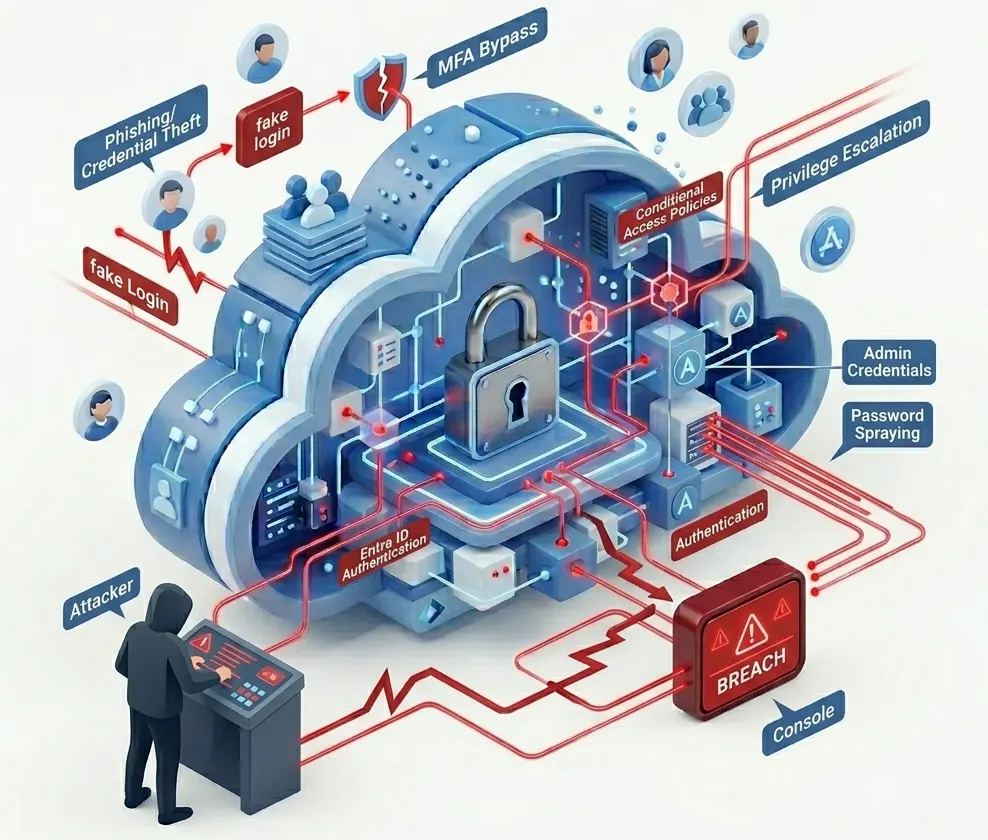
- Is adversary simulation suitable for cloud environments?Absolutely. Modern engagements commonly evaluate Azure, AWS, Microsoft 365, Entra ID, SaaS applications, APIs, and hybrid cloud infrastructures.
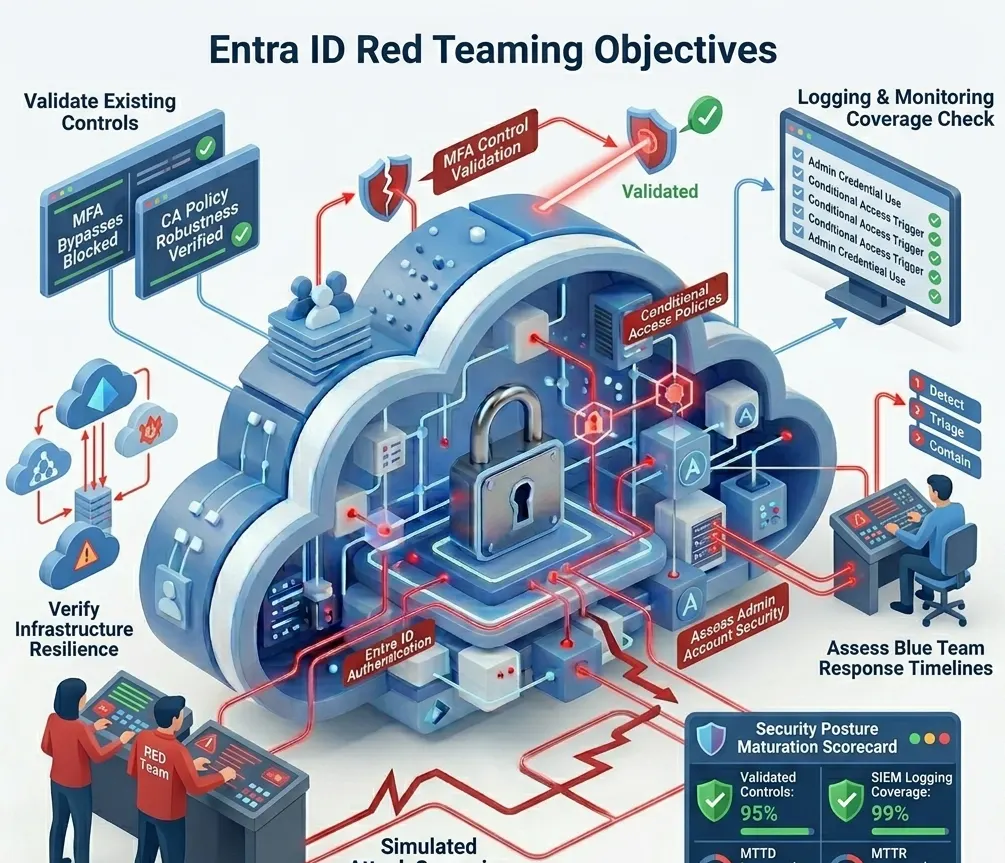
- Can adversary simulation test our SOC?Yes. One of the primary objectives is validating detection capabilities, alert quality, incident response processes, and overall SOC effectiveness.
- Is adversary simulation aligned with MITRE ATT&CK?Yes. Bluefire Redteam maps attack techniques, findings, and recommendations against the MITRE ATT&CK framework where appropriate.